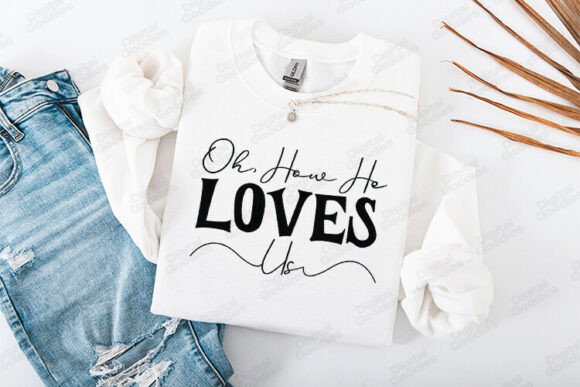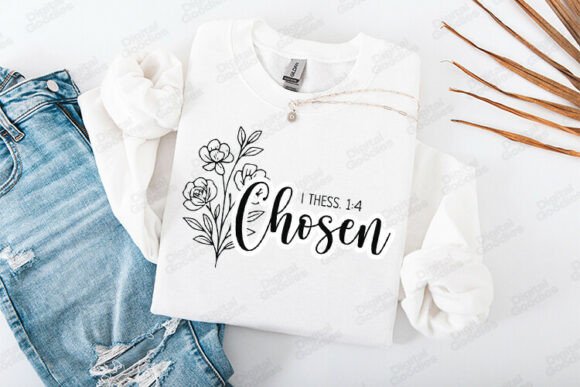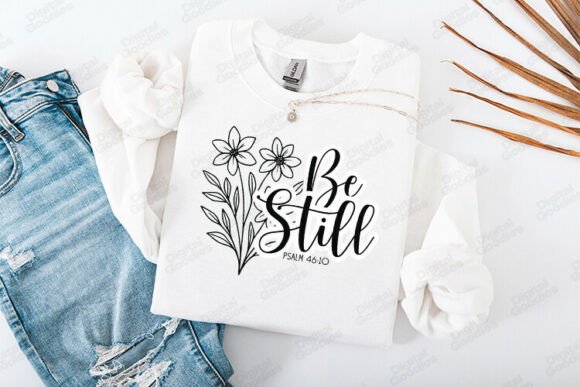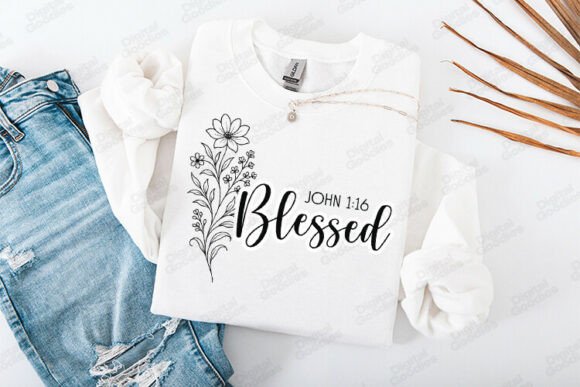
God's Promise to Restore Graphics & T-Shirt Designs
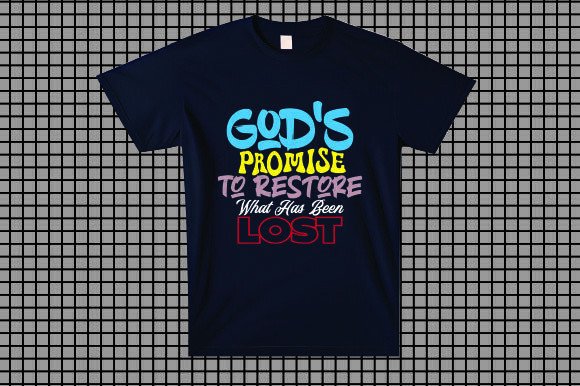
As a handmade business owner who has spent years navigating the intersection of faith-based messaging and commercial product design, I approach every new graphic design asset with a critical eye. When I first opened the files for "God’s Promise to Restore What Has Been Lost," I wasn't just looking for pretty typography; I was evaluating whether this design could carry the emotional weight required for ministry-focused merchandise while remaining technically viable for production. My initial impression is that this asset strikes a necessary balance between solemnity and hope. It avoids the overly distressed or grunge aesthetics that can sometimes make faith-based T-shirt designs feel dated, opting instead for a cleaner, more timeless presentation that suggests restoration rather than brokenness. This visual tone makes it particularly attractive to buyers seeking encouragement, grief support items, or testimony wearables.
Evaluating File Integrity for Vinyl and Sublimation Workflows
In my workshop, a design is only as good as its cut lines. Before listing any product in my Etsy shop, I run a rigorous technical check. The inclusion of an editable SVG file is non-negotiable for my Cricut project and Silhouette project workflows. Upon inspecting the vector layers for "God’s Promise to Restore What Has Been Lost," I looked specifically for open nodes or overlapping paths that often cause cutting machines to stutter or double-cut. For this specific phrase, legibility is paramount. If the script elements are too thin, they will peel up after washing. I recommend testing the SVG design on a scrap piece of permanent vinyl at a reduced size before committing to a full production run. If you plan to use heat transfer vinyl (HTV), ensure the internal counters of letters like 'o', 'e', and 'a' are weeded-friendly. The editable AI file included in this bundle is a massive advantage here, allowing experienced designers to thicken stroke weights slightly if they intend to create small decals or tags where standard text might fail.
For those focusing on sublimation design or direct-to-garment printing, the high-quality JPG and transparent PNG files are your primary resources. I always verify that the transparent PNG has clean edges without pixelation or ghosting artifacts against dark backgrounds. Since this message is often placed on darker apparel colors like navy, charcoal, or black to convey depth and seriousness, edge quality matters immensely. The resolution appears sufficient for standard apparel printing, but if you are scaling this up for a large tumbler wrap or wall hanging, utilize the vector source to maintain crispness.
Strategic Product Applications for Faith-Based Sellers
This illustration carries a specific narrative weight that dictates where it performs best commercially. In my experience running a creative marketplace store, products featuring restorative scripture or affirmations sell best when they serve a functional purpose in a customer's healing or spiritual journey. This asset is exceptionally strong for:
- Apparel: As a central t-shirt design or sweatshirt graphic, it serves as a conversation starter. Pair it with minimal branding to let the message stand alone.
- Drinkware: A 20oz skinny tumbler wrap featuring this quote resonates deeply with women’s ministry groups or recovery communities. The vertical orientation of many restoration quotes fits this canvas perfectly.
- Paper Goods: Use the printable design format to create prayer journal covers, bookmark inserts, or sympathy cards. The emotional resonance translates beautifully to paper products sold at craft fairs.
- Home Decor: Framed prints or wooden signs using this clipart style work well in entryways or reading nooks, serving as daily reminders for homeowners.
However, there are contexts where I would advise caution. Because the phrase "God’s Promise to Restore What Has Been Lost" is text-heavy and emotionally dense, it does not perform well as a tiny sticker or a crowded mug design alongside other busy patterns. Avoid using this asset for children’s products unless the font style is specifically adapted to be softer and more playful; the current aesthetic leans mature and reflective. Additionally, if you are creating layered vinyl projects, limit the color palette. Too many colors can distract from the gravity of the message and increase production time unnecessarily.
Design Pairings and Mockup Strategies for Conversion
To maximize sales for this digital product, your presentation must match the sentiment. When creating a product mockup, avoid overly bright, neon, or chaotic backgrounds. Instead, opt for neutral tones, natural textures like linen or wood, and soft lighting that evokes peace and stability. I have found that placing this design on a heather grey or sand-colored sweatshirt mockup converts better than stark white because it feels more "lived-in" and authentic to the theme of restoration.
Typography pairing is equally critical. If you are customizing the layout using the editable files, pair the main quote with a simple sans-serif font for secondary text like "Joel 2:25" or your shop name. Do not compete with the main design assets by adding elaborate flourishes or competing script fonts. Let the negative space breathe. For small business branding within the faith niche, consistency builds trust. Using this asset as part of a cohesive collection—perhaps matching tote bags and journals—can increase average order value during holiday seasons or church conference events.
Commercial Licensing and Ethical Crafting Considerations
Before you list finished goods derived from "God’s Promise to Restore What Has Been Lost," you must confirm the commercial license terms. As a responsible seller, I always document my licensing rights for every design bundle I purchase. Ensure you are permitted to sell physical end products versus digital redistributions. Never resell the unaltered SVG or PNG as your own Etsy product; this violates intellectual property rights and harms the designer community.
Furthermore, consider the ethical dimension of selling faith-based Graphics. Customers buying restoration-themed items are often in vulnerable seasons. Quality control is a form of ministry in this context. A peeling decal or a faded print on a shirt meant to encourage someone can feel discouraging. Test your wash durability. Verify your color profiles so the print matches the screen. Treat this handmade business venture with the same integrity that the message itself demands. By combining technical excellence with respectful application, this asset can become a cornerstone of a meaningful and sustainable product line for your creative enterprise.